 admin_m7ball
 If you want to learn omaha poker without the noise, start by understanding why the game punishes guesswork harder than Texas Hold’em. The four hole cards look generous, but the combinations multiply the chance of someone holding a better hand. For Australians used to reading a room at a local club, the shift is less about luck and more about disciplined hand selection.
Why the Four-Card Deception Trips Up New Players
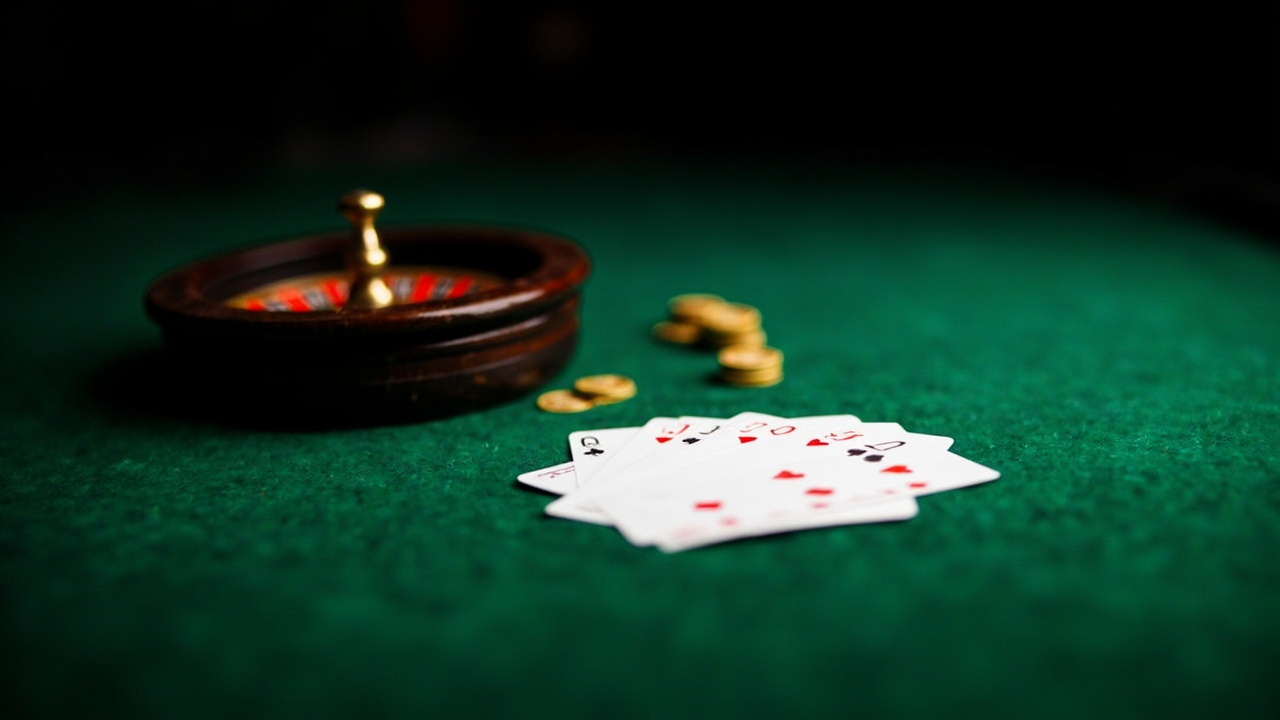
Most players who come qurbaniaqiqah.com to learn omaha poker expect the extra cards to mean more winning hands. The reality is the opposite: the board runs out, and your pair of aces suddenly loses to a stranger’s double-suited rundown. I’ve seen the same confusion at a regional New South Wales club night where a bloke kept chasing top pair because he was used to Hold’em logic. The game rewards you only when your hand actually connects with the board in two distinct ways, and anything less gets eaten alive by a full house or better.
The betting rounds move fast enough that hesitation costs money, which is why I treat Omaha like a job where you clock in only when the hand makes sense. When I worked a casual shift managing a busy trade counter, the rule was simple: if the numbers didn’t stack, you didn’t commit stock. Omaha runs on the same blunt principle. You fold the weak wrap, you don’t fall in love with a single pair, and you respect the fact that someone behind you almost always holds a coordinated draw. For players who want a structured way to test that discipline without burning through a bankroll, the mega joker slot page lays out a separate entertainment lane, though it’s a different game entirely and not a substitute for table study.
A Step-by-Step Start for Beginners Playing With a Mate
If you’re sitting down with a mate who has never touched Omaha, walk them through the mechanics in plain terms before any money changes hands. The goal is to remove the mystery so they stop playing every hand like it’s a lottery ticket.Gambleonlineaustralia
Step one – sort the hand before the flop. Tell them to look at their four cards and ask one blunt question: do I have two pairs, a made straight draw, or a suited connector that actually wraps around the board? If the answer is no, the right move is to check or fold, not to call hoping the river saves them. I learned this the hard way watching a mate throw good chips at a weak ace-high hand because he thought four cards meant four chances to win.
Step two – track the board, not just your own cards. In Omaha, the community cards do the heavy lifting, so teach your mate to read whether the flop actually helps anyone. A dry board with scattered ranks means most players are chasing shadows, and the person holding the best disguised hand can take the pot down cheaply. A wet board with three connected suits means the pot is going to get crowded, and only the nuts or a strong draw deserves a real bet.
Step three – size the bet to the story the board tells. Beginners often overbet a mediocre hand or underbet a monster, so walk them through a simple rule: if the board is dangerous and you want to protect a strong draw, bet enough to charge the opposition without scaring off worse. If you’re bluffing, make sure the story makes sense and the board actually leaves your rival’s range vulnerable. This is the same kind of measured call I’d make when a regional New South Wales supplier rang in with a tight deadline and a half-formed order – you don’t guess, you price the risk and move on.

Matching the Game to How You Actually Play
The right way to learn omaha poker depends on whether you’re chasing structured study or a casual session with mates. If you like clear decision trees and don’t mind folding eighty percent of your hands, the game rewards patience and hand reading. If you prefer loose action and chasing every draw, you’ll bleed chips fast and wonder where the edge went. The same split shows up when people talk about table games – craps tables are among the most complex-looking layouts in any casino, and the players who last are the ones who learn the bets that actually carry value instead of throwing chips at every number on the felt.
For Australians who want a broader view of how betting habits travel, international interest has globalised Melbourne Cup betting, and that same cross-border curiosity now spills into poker rooms where players compare styles across states. The takeaway is simple: pick the format that fits your temperament, study the hand rankings until they’re automatic, and don’t pretend the game is easier than it is just because you hold four cards instead of two.
Treat Omaha as a game of selective aggression, not a carnival of random chances, and you’ll stop feeding the table every time the board runs out coordinated.
Play responsibly, set a firm limit before you sit down, and walk away when the session stops making sense.